When it comes to selecting the best roofing system for your home or commercial structure, you're confronted with a fundamental choice: flat roofing systems or sloped roofs? Each type has its unique set of advantages and drawbacks, leading property owners and contractors to weigh their options thoroughly. In this post, we'll dive deep into the world of roofing, exploring whatever from products like colorbond and tile to insights shared by leading installers in the market. So get a cup of coffee, settle in, and let's unwind the intricacies of your roofing dilemma!

Understanding Flat Roofs: The Basics
Flat roofings are increasingly popular in modern-day architecture due to their streamlined look and practicality. This area will cover:
What is a Flat Roof?
A flat roofing is defined as a roof that has little to no pitch. Although they appear level, many flat roofs in fact have a slight slope (usually around 1% to 2%) to allow for water drainage.
Common Products Used
The option of product can affect both aesthetics and functionality. Common materials for flat roofs consist of:
- EPDM (Ethylene Propylene Diene Monomer): A synthetic rubber membrane that is long lasting and affordable. TPO (Thermoplastic Olefin): Known for its energy effectiveness and heat-reflective properties. PVC (Polyvinyl Chloride): Offers excellent resistance versus wetness and chemical exposure.
Advantages of Flat Roofs
Cost-effective Installation: Usually less expensive than sloped roofings due to less material required. Easier Access: Great for maintenance tasks; you can stroll on them easily. Additional Space: Perfect for roof gardens or solar panels.Challenges with Flat Roofs
Water Drain Concerns: Needs proper drain systems to avoid pooling. Limited Lifespan: Some products might require replacement quicker than sloped counterparts. Potential for Leaks: More vulnerable to leakages if not installed correctly.Exploring Sloped Roofings: An Extensive Overview
Sloped roofs have actually been a standard choice for centuries, providing both visual appeal and useful benefits.
What is a Sloped Roof?
A sloped roofing system features an incline that assists in water overflow. These roofing systems can vary commonly in angle, from mild slopes to high pitches.
Types of Sloped Roofs
There are numerous designs of sloped roofs, consisting of:
- Gable Roofs: Defined by two sloping sides that meet at the top. Hip Roofs: All four sides slope downwards towards the walls. Mansard Roofs: Offers extra living area; functions two slopes on each side.
Materials Frequently Used for Sloped Roofs
Asphalt Shingles: Popular due to cost and ease of installation. Tiles (Clay or Concrete): Durable and uses excellent visual options. Metal Roof (Colorbond): Lightweight yet incredibly strong; perfect for various climates.Advantages of Sloped Roofs
Superior Water Drainage: Successfully channels rainwater away from the structure. Longer Lifespan: Lots of products have longer life-spans compared to flat roofing options. Better Insulation Options: Offers space for insulation which can result in energy savings.Challenges with Sloped Roofs
Higher Installation Costs: Usually more expensive due to intricate framing requirements. Maintenance Difficulties: Can be harder to access for repair work compared to flat roofs.Your Ultimate Guide to Flat vs Sloped Roofs with Insights from Top Installers
When it comes down to making the right choice in between flat and sloped roofing systems, insights from experienced installers are invaluable.
1. Installer's Perspective on Product Choices
Choosing materials like colorbond or tile depends heavily on environment conditions, underlying structures, and individual preference. Top installers share that:
- Colorbond is preferred in areas susceptible to bushfires due to its fireproof qualities. Tiles provide exceptional toughness however might need reinforcement in older homes.
2. Cost Considerations
Many homeowners question expenses associated with each type:
|Type|Average Cost per Square Foot|Setup Complexity|| -------------|------------------------------|------------------------|| Flat Roofing system|$5 - $10|Low|| Sloped Roofing system|$8 - $15|High|
Top installers encourage https://riverzbmq138.huicopper.com/your-guide-to-picking-between-different-types-of-roof-materials-with-professional-suggestions that while in advance expenses may be greater for sloped roofing systems, long-lasting maintenance could cancel expenses over time.
3. Weather Resilience
Weather plays a considerable role in roofing choices:
- In regions susceptible to heavy snowfall or rainfall, sloped roofs are preferred due to effective drain capabilities. Conversely, flat roofings might carry out better in dry environments where very little water overflow occurs.
4. Visual Appeal
Aesthetics can't be overlooked! Installers typically stress how both types can enhance curb appeal when styled correctly:
- A properly designed flat roofing system can contribute modernity while allowing rooftop gardens or terraces. Classic gable or hip designs offer classic sophistication that many prefer.
FAQ Section
Here are some regularly asked concerns relating to flat vs sloped roofing systems:
1. What's more budget-friendly-- flat or sloped roofs?
Generally speaking, flat roofs tend to be more budget-friendly initially because they need fewer materials and less labor throughout installation.
2. Can I set up photovoltaic panels on both types?
Absolutely! Both flat and sloped roofing systems can support photovoltaic panel installations; nevertheless, angle modifications may be needed on flat surfaces for optimal sunshine exposure.
3. How do I preserve my roof?
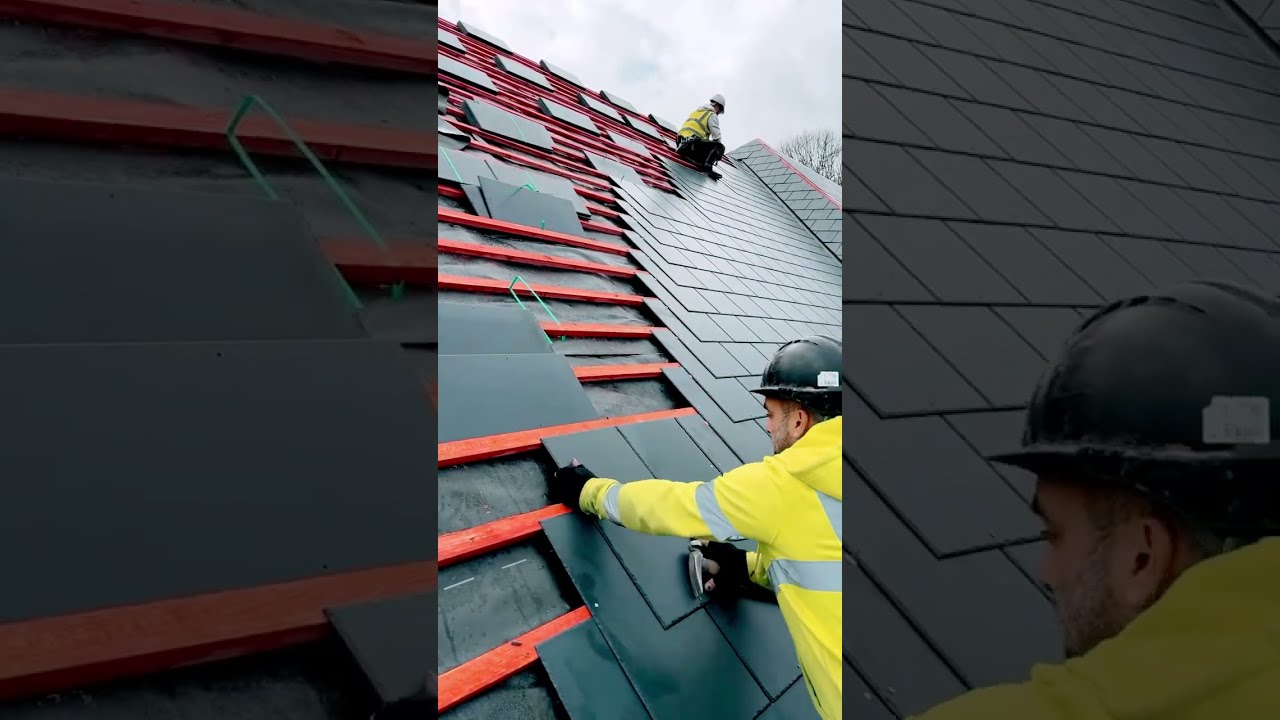
Routine assessments ought to be scheduled two times annual despite roof type; look out for indications like broken tiles or pooling water on flat surfaces.
4. Which roof type lasts longer?
Typically, well-maintained sloped roofing systems last longer than flat ones; nevertheless, quality installation plays an essential role in total longevity too!
5. Are there any environmental considerations?
Yes! Some roofing materials such as colorbond reflect heat successfully-- improving energy efficiency-- while tile choices provide natural insulation benefits.
6. What about resale value?
Homes with pitched rooves typically see much better resale worths because they appeal broadly throughout demographics trying to find standard aesthetic appeals integrated with practical style elements.
Conclusion
In conclusion, whether you lean towards a streamlined modern-day flat roof or a traditional sophisticated slopped one mainly depends upon your specific requirements-- spending plan restrictions included! Both types present special benefits that cater different lifestyles while also affecting elements like energy effectiveness through options such as colorbond versus tile materials used during construction phases!

Ultimately though ... don't forget about speaking with experienced professionals who can assist you based upon understanding acquired through years invested mastering this craft! With mindful consideration paired along with trusted insights provided here today-- your supreme guide will undoubtedly guide you toward making notified decisions concerning one crucial element-- the shelter over your head!
So what will it be-- a modern twist or timeless beauty? The option is yours!